Baroxon® | Leading Boom Barrier Manufacturer

How to Choose an Automatic Boom Barrier Manufacturer: 9 Criteria
Release time:
2026-10-28
Choosing a barrier manufacturer is not the same as choosing a barrier model. Models are compared on data sheets; manufacturers are compared on how reliably they can confirm those data, supply spare parts years later and support an integration that was not part of the original brochure. The nine criteria below are the ones that most often decide whether an entrance works for a decade or becomes a maintenance problem.
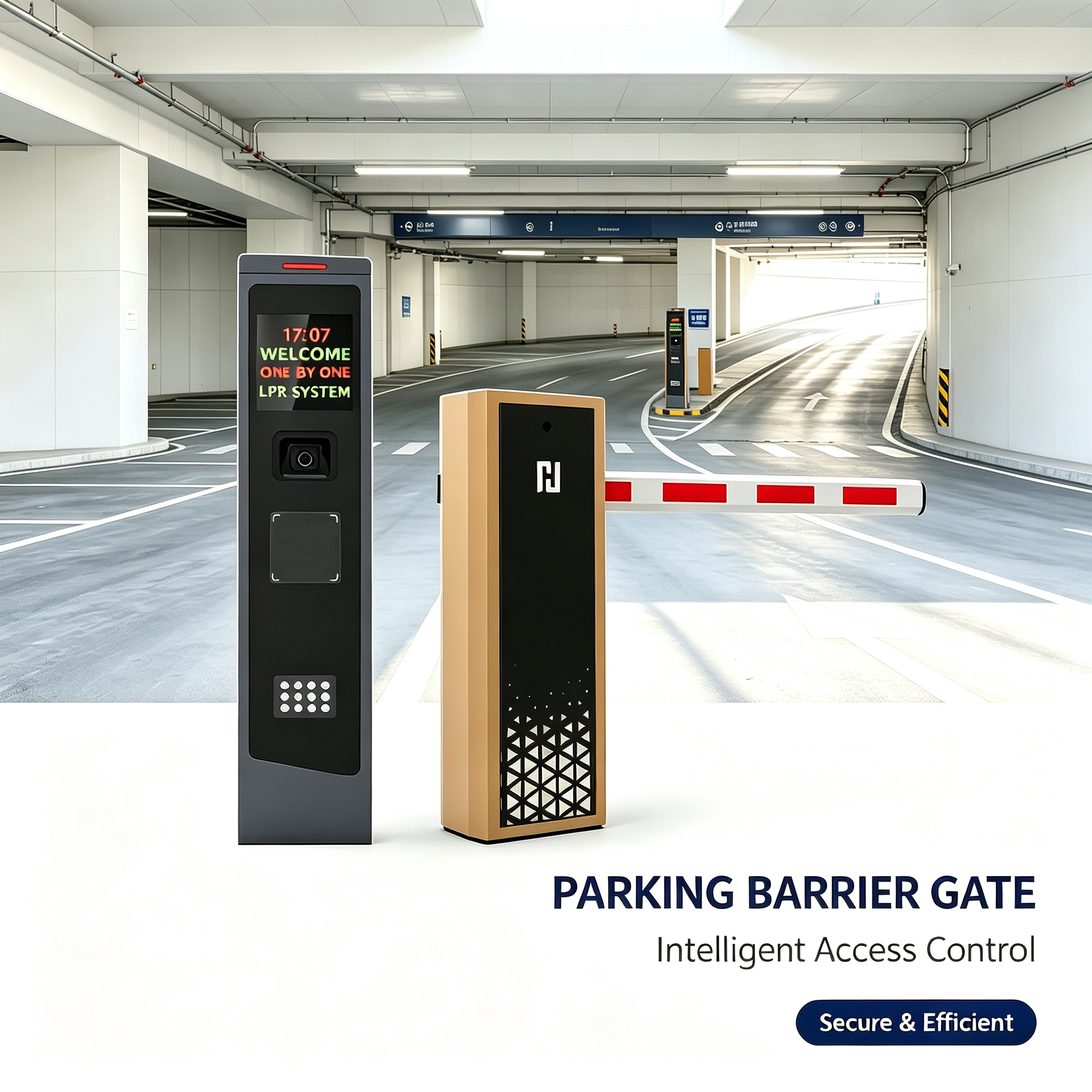
1. Check the product range and its match with the site
A manufacturer who offers only one type of barrier will inevitably recommend that type for every entrance. Look for a range that covers straight, folding and fence arms, different arm lengths, standard and high-speed drives, and separate categories for RFID and license plate recognition. Then check that the specific model you need actually exists in that range with confirmed parameters, rather than being a "custom version" that nobody has tested.
2. Ask for a technical specification, not an advertising description
Brochures describe benefits; specifications describe limits. Ask for the data sheet of the exact model: duty cycle, cycles per day, opening time for each arm length, motor type, operating temperature, ingress protection, controller interfaces and safety inputs. If a supplier cannot provide these values in writing for the model being quoted, the comparison has no basis.
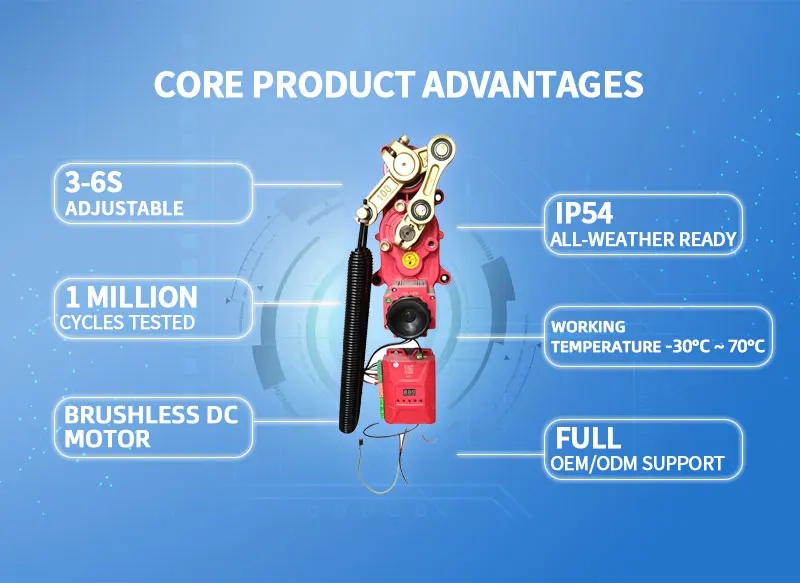
3. Assess the mechanism's service life against the expected load
The declared cycle life is only meaningful together with the load it was measured under. A barrier rated for a high number of cycles with a short arm may be rated far lower with a long arm. Ask how the figure was obtained, whether it refers to the drive, the gearbox or the arm, and what maintenance is assumed. For a commercial car park, the difference between a light-duty and a heavy-duty mechanism becomes visible within the first two years of operation.
4. Verify that the manufacturer takes safety seriously
Safety is a design decision, not an accessory. A serious manufacturer documents the anti-crash function, the inputs for loops, photocells and radar, the behaviour on power failure and the manual release procedure. They also state clearly which sensors are included in the basic package and which are optional, because the total safety of the entrance depends on that list.
5. Check compatibility with access control, RFID and plate recognition
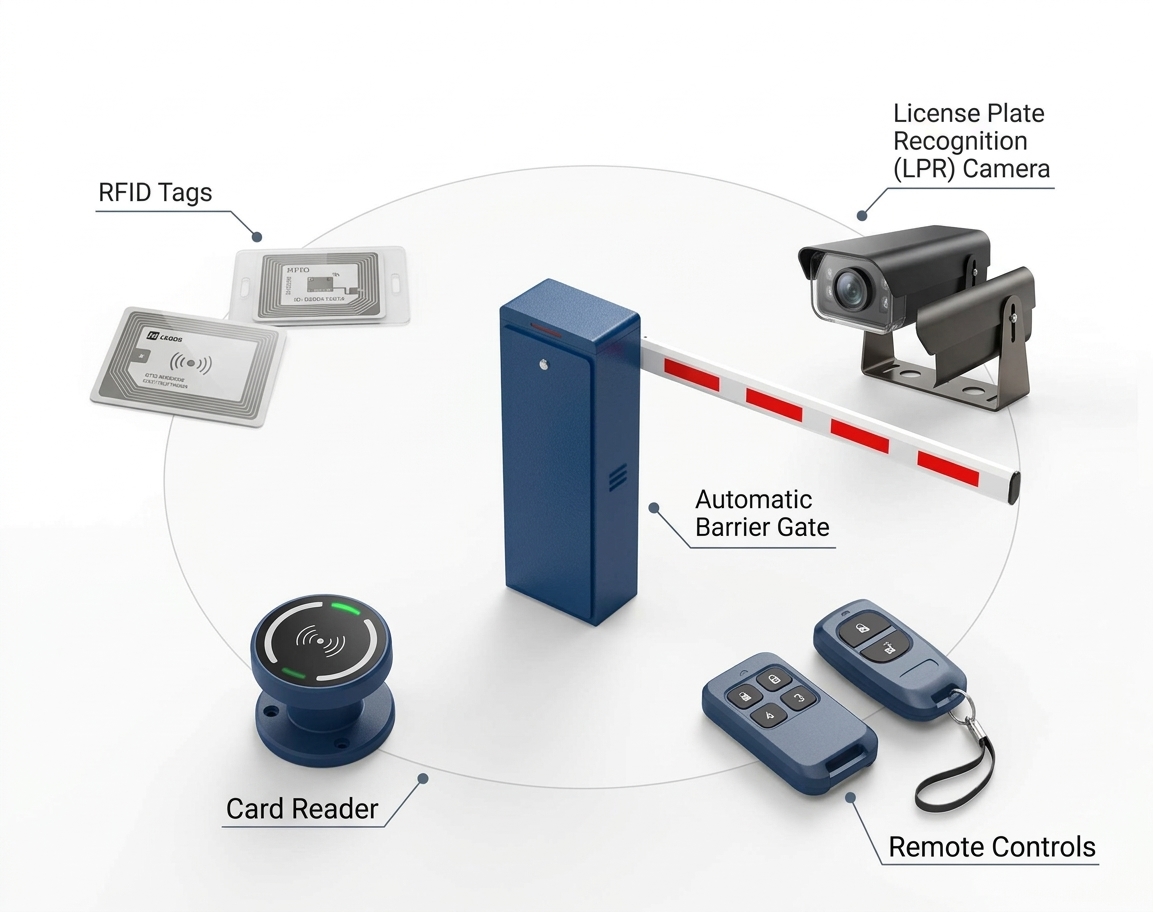
Most barriers are sold as part of a larger system. Confirm which interfaces the controller provides — dry contact, Wiegand, RS-485, TCP/IP — and whether the manufacturer has documented integration with the access control or parking software you already use. Compatibility claimed verbally and compatibility confirmed in a wiring diagram are two very different things.
6. Ask which customisation options are genuinely available
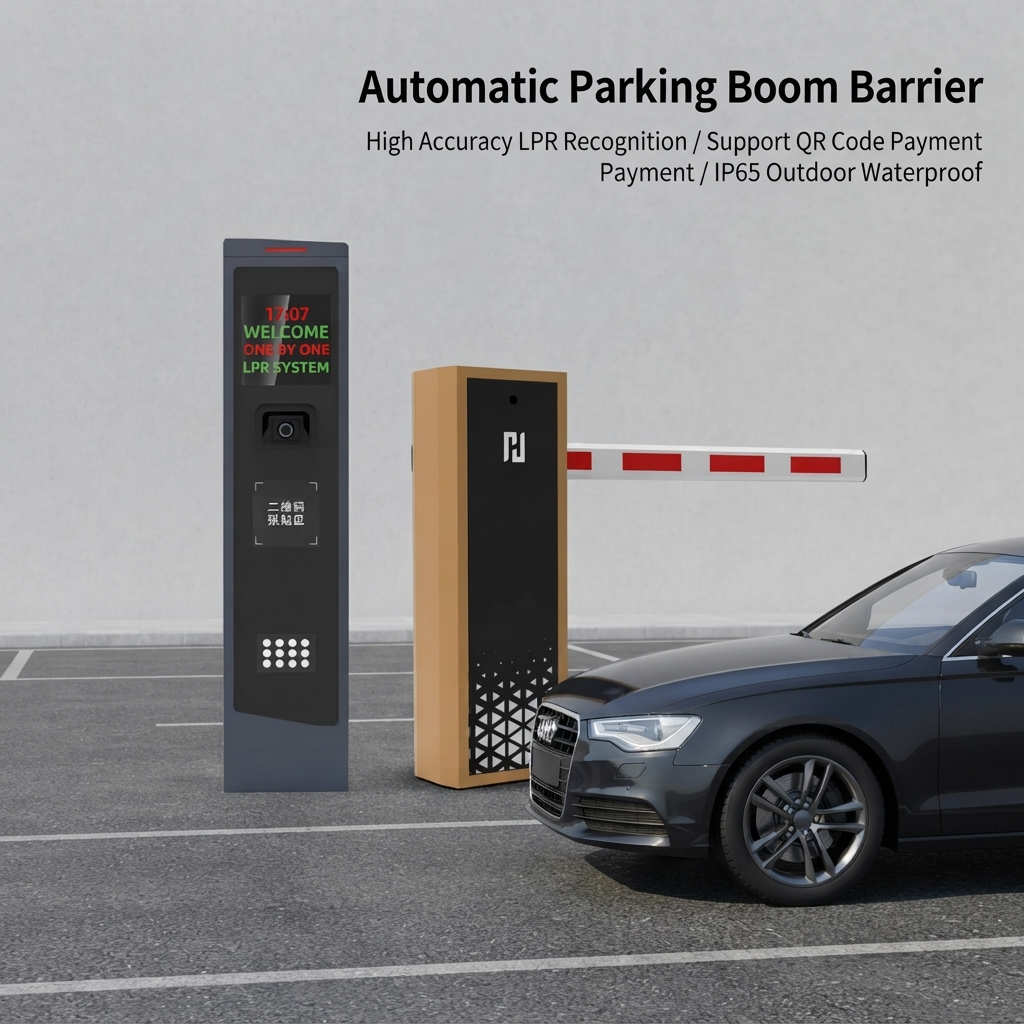
Arm length, arm colour, cabinet colour, logo, additional inputs, special voltage — these are common requests. The question is which of them are standard options and which require a project-specific build. A manufacturer who is clear about the boundary between standard and custom is easier to work with than one who agrees to everything and delivers late.
7. Check production quality and documentary evidence
Ask for the production location, the quality control procedure and the test reports for the model. Certificates matter less than consistency: the same model from the same line should behave the same way in the tenth year as in the first. Spare parts availability is part of production quality — a barrier whose controller board cannot be replaced in three years is a disposable product.
8. Compare warranty, spare parts and technical support
Compare what the warranty actually covers: the drive, the controller, the arm, the labour, the travel of the service engineer. Then ask how quickly a replacement board or a spring can be delivered, and whether technical support can answer a wiring question in a working day. For an entrance that serves hundreds of vehicles a day, support speed is worth more than a small price difference.
9. Evaluate the total cost of ownership
The purchase price is only the first line of the budget. Add installation, foundation work, cabling, sensors, integration, commissioning, scheduled maintenance and the expected cost of repairs over the planned service life. A cheaper barrier that needs two service visits a year and a drive replacement in year four is usually the more expensive choice.
10. Questions worth asking the manufacturer before ordering
- Which exact model and arm length do you confirm for my lane width and clearance?
- What is the duty cycle and the recommended number of cycles per day for that configuration?
- What is the opening time with this arm, not with the shortest arm in the range?
- Which safety devices are included and which must be purchased separately?
- Which interfaces are available for my access control or parking software?
- What is the operating temperature range and the ingress protection rating?
- What does the warranty cover, and how long are spare parts guaranteed to be available?
- Who performs commissioning, and what documentation is provided after it?
How to prepare a request to BAROXON
A precise request produces a precise answer. Send the lane width and the height to the lowest obstacle, the number of vehicles per day and per peak hour, the type of site, the access method you plan to use, the climate conditions and the interfaces of your existing system. State whether you need RFID, license plate recognition, radar sensors or a combination. With this information BAROXON can confirm a configuration and quote the specific model instead of a generic category.
Frequently asked questions
How can I tell whether a barrier manufacturer is reliable?
Ask for written specifications, a wiring diagram, spare parts availability and references from comparable sites. A reliable manufacturer answers technical questions precisely and admits the limits of a model; an unreliable one answers every question with "yes".
What matters more: price or service life?
For occasional use in a private yard, price dominates. For a commercial or industrial entrance, service life and support dominate, because downtime costs more than the equipment. Compare the total cost over the planned service life rather than the invoice value.
Can an automatic barrier be integrated with license plate recognition?
Yes, if the controller accepts the command from the recognition software and the software supports the controller's interface. The integration must be confirmed for the specific controller, the specific camera and the specific software version before the order is placed.
Should I only choose a manufacturer with its own factory?
Owning a factory is a good sign of control over production, but it is not a guarantee of quality by itself. What matters is documented testing, consistent production and long-term spare parts support, whether the factory is owned or contract-manufactured.
Conclusion
Choosing a manufacturer is a documentation exercise: data sheets, wiring diagrams, warranty terms, spare parts list and references. The nine criteria above turn a vague comparison of prices into a structured evaluation, and they make it much harder to buy a barrier that is right on paper and wrong on site.
Latest News
Baroxon® | Leading Boom Barrier Manufacturer
Advanced Security Access Control and Intelligent Parking Solutions.
Company Strength
Adequate Inventory
Fast Shipping
Our Products
CONTACT US
Address: No. 2 Wanshou Road, International Innovation Industrial Park, Jinan, Shandong, China






© 2026 Baroxon® | Leading Boom Barrier Manufacturer

Contact Us
Our passion is to bring your ideas to life. Work with our design team to create a one-of-a-kind custom finish or cladding system to create a truly unique space. Together we can make your story stand out. If you need something to request a sample, request pricing, or request a demo, please fill out the contact form below. Explain your request in as much detail as you can and a representative will contact you within 1 business day.